



When you’re planning a trip to Italy, I recommend giving yourself as much time as possible for three main reasons. The first is obvious: The earlier you book, the better options you have. The early bird scores the best airfare, accommodations and guides.
Secondly, starting early gives you a chance to take a break. Planning can be exhausting, and giving yourself time to plan will ease the pressure. Starting early gives you time to think of different options and ideas to help solve travel problems that might arise during the planning phase. Even a seasoned travel planner will run into trouble, and often, taking a step back will help bring things into focus. Having plenty of time for planning will help.
Finally, starting early helps build anticipation. Anticipation is a wonderful aspect of travel. Author Vivian Swift reflected that, “In love and travel, getting there is half the fun.” Reading books, watching movies or simply looking at pictures of your destination will bring you joy in your daily life leading up your trip.
How Early Is Too Early?
In my view, it is never too early to plan a vacation. Personally, I have a whole file of different cities, hamlets, hotels and sites on my wish list. It may take me years to visit, but assembling ideas and potential experiences in my mind helps me form my vacations of tomorrow. Practically, though, I would recommend you start planning a trip to Italy about a year in advance.
Stage 1. Air Transportation
 The first step in planning is to answer the most difficult question: Where am I going to go in Italy, and why? Italy has so much to offer that sometimes the hardest question is, Where do I go?
Perhaps you want to visit the big three of Venice, Florence and Rome, or perhaps you want to visit a specific region of your heritage. Once you know where, you can focus on how. Airfare to Italy has numerous options. Finding the best option can be an absolute riddle with no definitive answer, but here are a few rules of thumb that usually hold true:
1) Flights usually open up sales about 11 months in advance.
2) International flights are usually not as volatile as domestic flights.
3) You are less likely to regret booking early than late.
4) If you are travelling in peak season, it’s better to book early.
5) Booking early gives you more flight options and better seat selection.
Everyone asks, “When is the best time to book to get the best price?” There are many opinions on when to book airfare to get the best price. Cheapair.com does an annual study to identify the best time frame. The optimal number of days has changed quite a bit through the past couple of years. Their page titled “When to Buy Flights” gives some general guidance for specific routes. In general, there is little movement in price between the nine-month and three-month timeline. At 90 days prices generally accelerate. With this in mind, it is usually best to book within a nine-month to six-month window so you can get on to more fun planning.
Stage 2. Accommodations
 Often, accommodations are the most important part of the planning process. Good accommodations can make or break a vacation. One advantage to vacationing in Italy is that there is no shortage of spectacular places to stay. That said, the best of the best often are booked far in advance. There are three main reasons why you should book ahead of time.
First, there are only so many accommodations with prime locations. You want a view of the Coliseum in Rome or to be on the Grand Canal in Venice? So does everyone else! These locations are always booked far in advance.
Secondly, many Italian accommodations are small. Most hotels even in city centers are small compared with U.S. standards. In addition to hotels, there are B&Bs, farmhouses and apartments that also are perhaps just a few rooms or less. Despite their small size, though, these accommodations frequently offer the best experiences.
Finally, planning ahead offers the best value. There are always a few locations that are a tremendous value for their location. These accommodations provide a great nightly rate to ensure they are always fully booked. Planning ahead can be a great asset to those looking for value.
So, how far in advance should you plan your accommodations? I recommend that you be prepared to make a decision on accommodations no later than four months ahead of your trip. Six months is probably ideal. If you are going during peak season or if you are renting a villa, I suggest nine months or more.
Stage 3. Guides and Tours
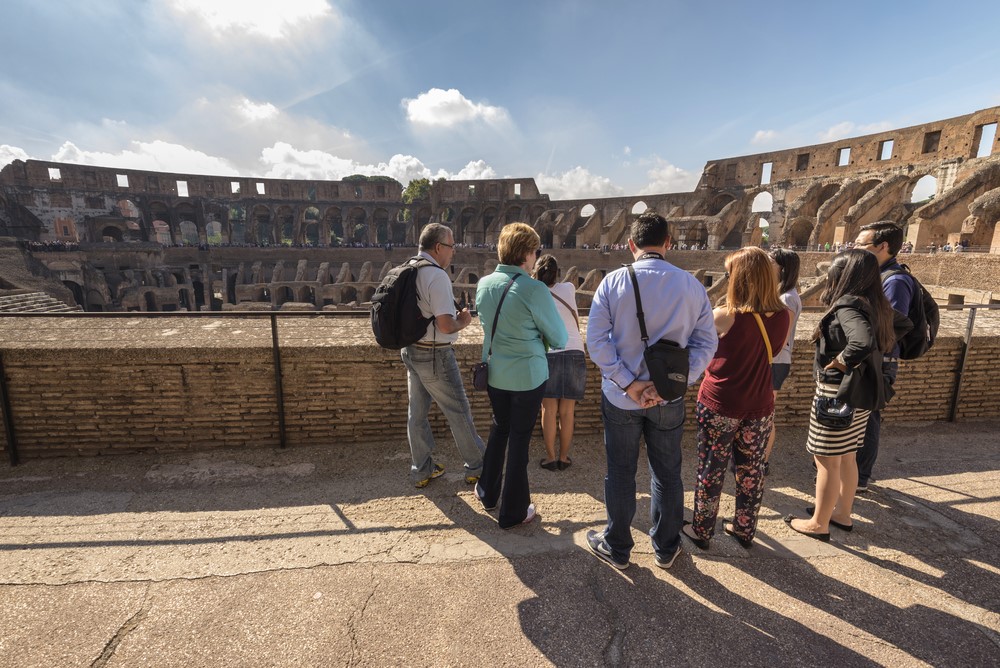 You have your air travel and accommodations secured. Now is a good time to start working on the anticipation of your trip. What are the sites and experiences that will bring joy to your vacation? How do you want to see those sites and experiences? Are you going to invest in tours or guides? If so, a little planning is needed. Three months prior to arrival is usually the best time to make these arrangements. The best private guides or small classes can have limited availability, so don’t wait until the last moment.
Stage 4. Italian Transportation
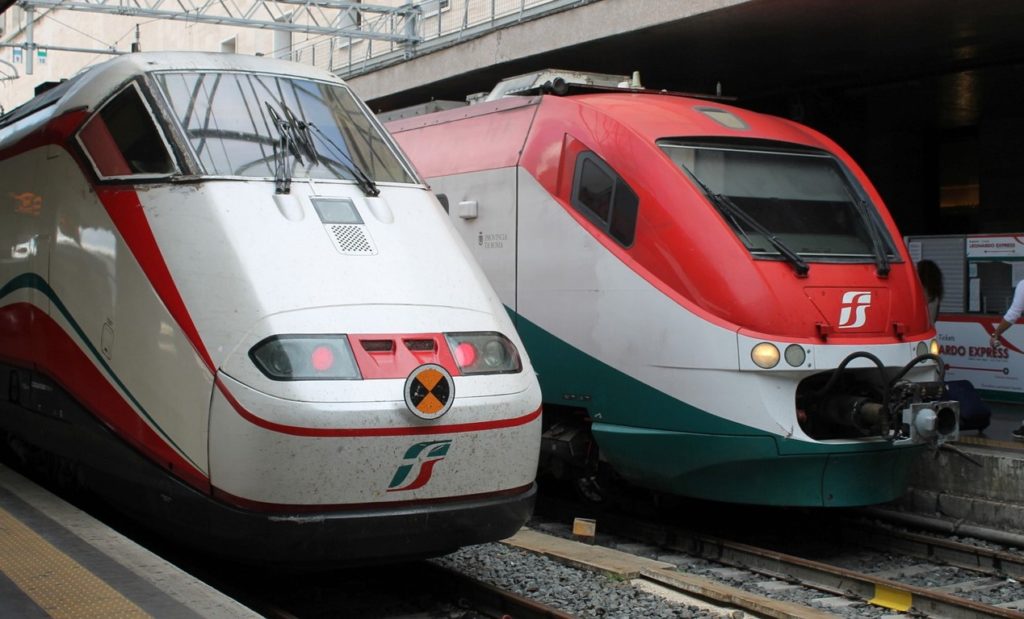 If you’re planning to rent a car in Italy, booking too early may be costly. Usually the best approach is to start looking around the four-month mark, but often the best rates are around the two-month mark. At the one-month mark rates usually start to increase.
Train travel in Italy is also a great option, and tickets for main routes can be purchased about four months out. Tickets are usually readily available even the day of travel. Purchasing a few weeks in advance can save money, but the tickets are nonrefundable. It is advisable to purchase in advance if you are certain about your time of travel. When travelling between cities during your trip, pre-purchasing tickets is wise. However, when flying into Italy, be cautious about pre-purchasing in case of a flight delay.
As you can see, planning a trip is a detailed venture. Overwhelmed? Consider working with a professional. At Your Italian Dreams, we specialize in vacation planning in Italy. Our philosophy will ensure that you will not only see Italy but experience it. We look to maximize your experience pre-vacation, during your trip and even after you return home so that you will create a lifelong experience.